Clermont County voters will decide in November whether to renew a Children's Protective Services levy that keeps existing funding in place without raising taxes.
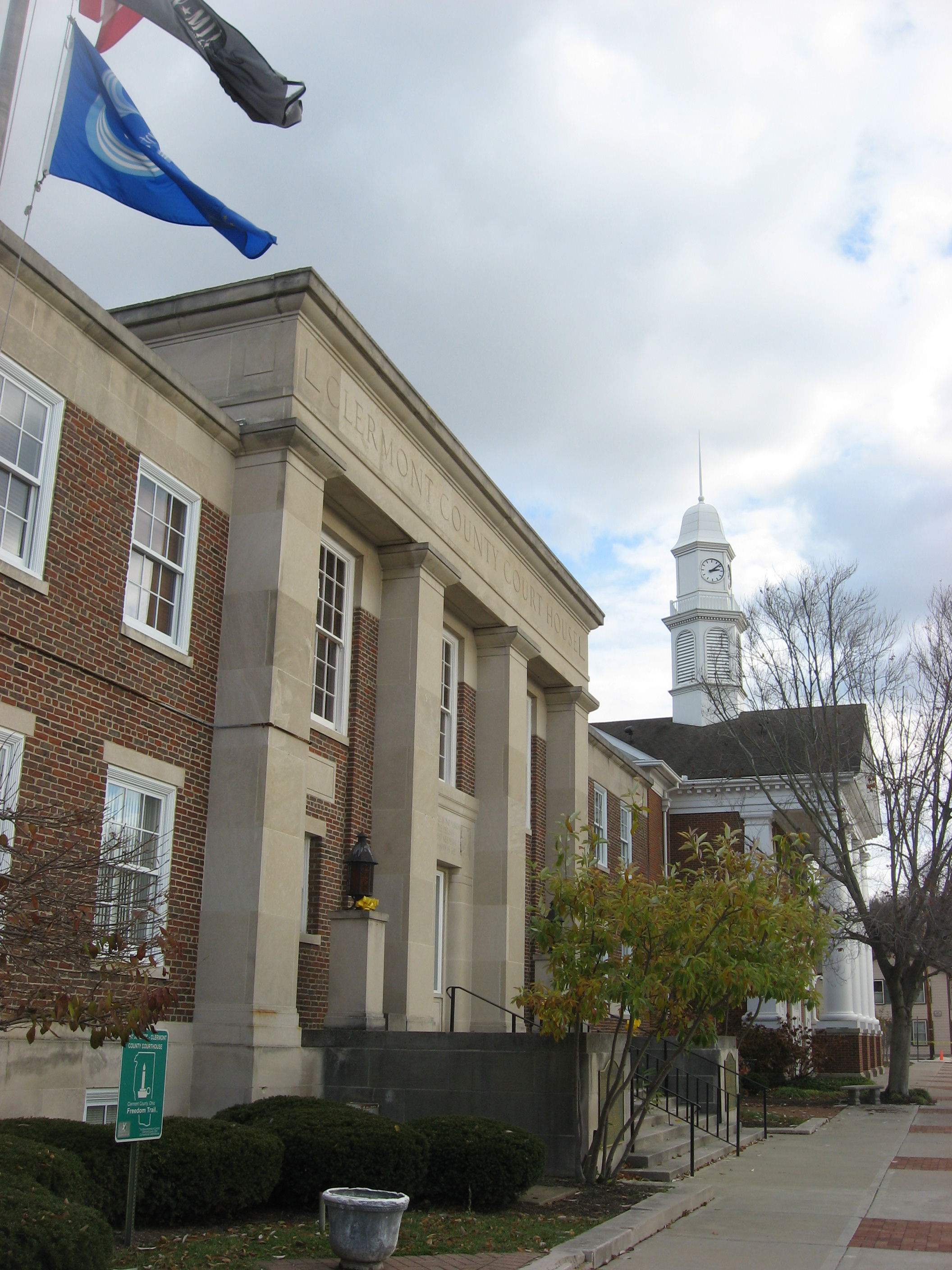
The Clermont County Board of Commissioners voted July 15 to place the CPS renewal levy on the Nov. 3 ballot, according to the Clermont Sun. The levy would continue an existing tax rather than impose a new one or increase the current rate. Every voter in Clermont County, including residents of Loveland, Milford, and Symmes Township, will see the levy on the ballot.
The two-step process began July 8, when commissioners approved a request for the county auditor to certify the total tax valuation and the dollar amount of revenue the renewal would generate. That certification cleared the way for the July 15 vote to formally place the levy before voters.
The specific millage rate and estimated annual cost to homeowners have not been publicly released in accessible records. The renewal comes as Clermont County homeowners absorb a 22% increase in property values from the 2026 reappraisal, as we reported July 26.
Loveland noise ordinance still in the works
Loveland's months-long debate over downtown amplified music remains unresolved.
The city's Law and Ordinance Committee met July 22 to continue work on a new noise ordinance, with City Manager Dave Kennedy presenting what he called a document "many steps below draft." Kennedy intentionally left out specific decibel numbers to keep the discussion open, according to the committee's public meeting.
The central question: should enforcement rely on measurable decibel limits, a "plainly audible" reasonableness standard, or some combination?
Randy Campion, a resident at 220 South Riverside Avenue who has been restoring his 1868 home since 1995, told the committee that residents aren't asking to stop the music. "All we're asking is for the bars to be respectful of the residents in Loveland, that they be good neighbors, and that they play music at the legal limit," Campion said at the July 22 meeting.
Resident Sharon Scovanner, who lives about three-quarters of a mile from downtown, testified she can hear amplified music from the third-floor open deck at Bishop's Quarter. She cited an Ohio 12th District Court of Appeals case in which Oxford's reasonableness-based noise ordinance was upheld because it defined sound as "plainly audible at a distance of 25 feet from the lot."
Resident David Bishop, of 208 South Riverside Avenue, proposed using property boundary lines as the measurement point for decibel levels, arguing this would make enforcement straightforward for police and allow businesses to self-regulate. Ben Capodagli, owner of Cappy's Wine & Spirits, submitted written comments supporting clear, consistent guidelines that businesses can monitor at the source.
Kennedy acknowledged the city's current noise rules are split between the zoning code and the general offenses code, creating enforcement gaps. He told WCPO 9 on July 8 that the ordinance needs a full rewrite and that council agrees.
The debate also has implications for Loveland's Nisbet Park Amphitheater, currently under construction and expected to open in 2026, which will expand the city's capacity for outdoor concerts.
Any changes must still go before the full Loveland City Council for a vote. No date has been announced for the committee's next meeting on the issue.