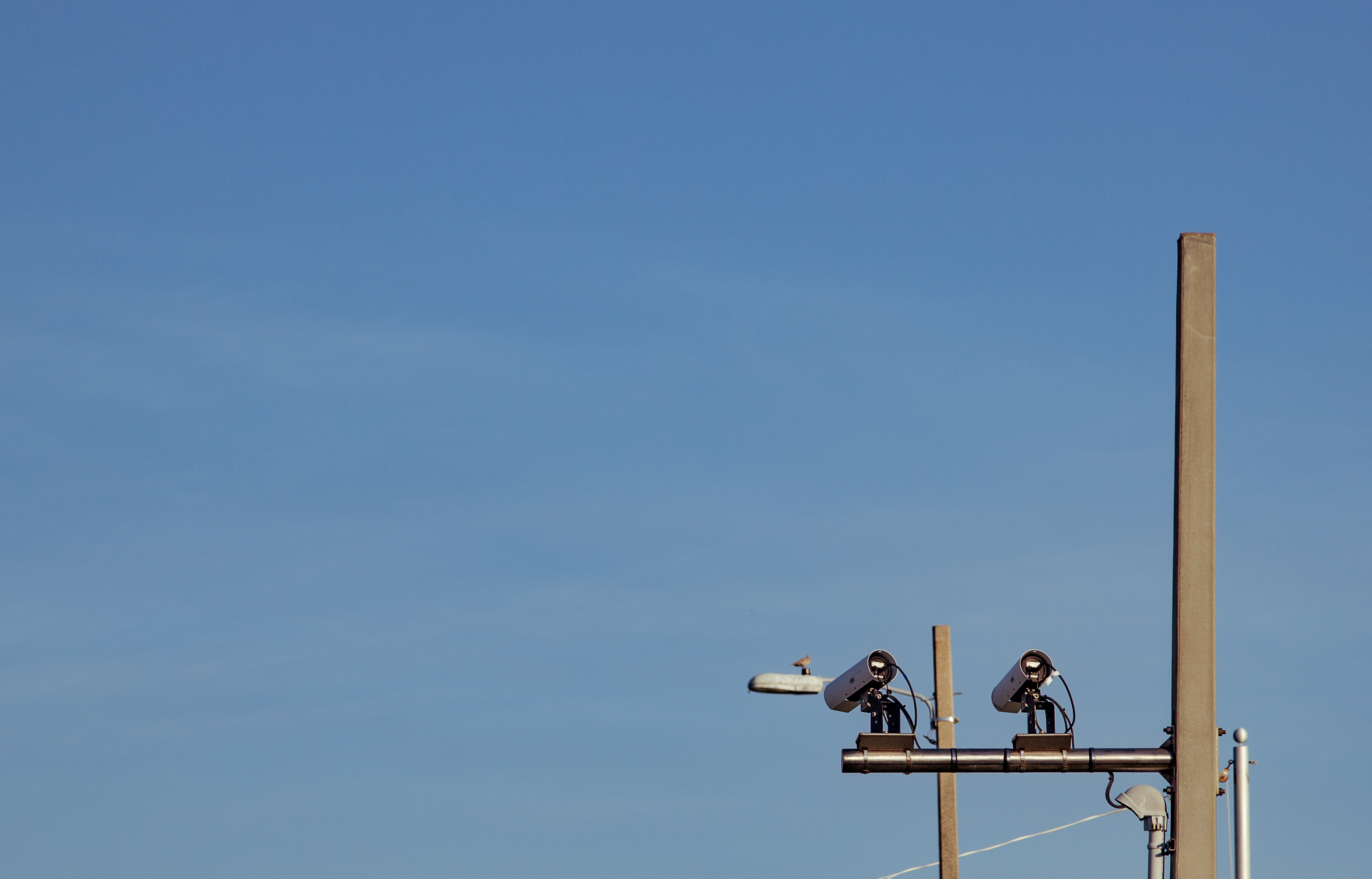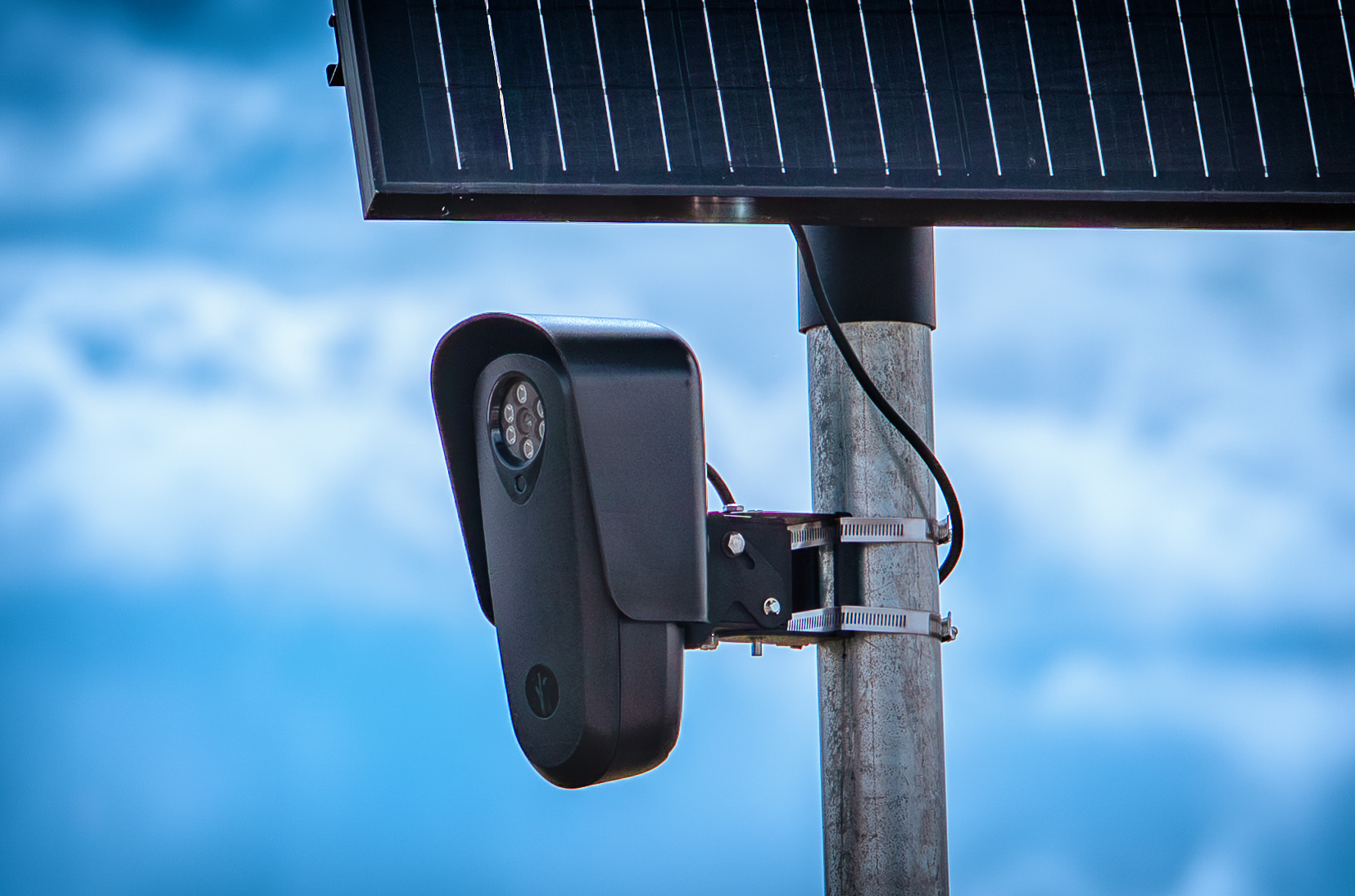
Loveland has not said what its 10 license plate reader cameras cost or whether City Council approved them.
The Loveland Daily reported Sept. 1 that it had asked the City of Loveland for the cameras' cost, maintenance and software expenses, and any council action authorizing the Flock Safety system. The city, led by Mayor Kathy Bailey, had not responded. The city's 2023 annual report said the 10 cameras recorded an average of about 145,000 vehicle detections over each 30-day period.
The unanswered questions come as more than 50 jurisdictions across the country have canceled, suspended or rejected Flock Safety contracts in 2026 alone, according to DeFlock, a grassroots group that tracks the technology. NPR reported Aug. 22 that about 100 cities total have deactivated cameras, rejected deals or canceled contracts.
What the cameras collect
Each Flock camera creates what the city calls a vehicle "fingerprint." That fingerprint includes a license plate number, the vehicle's make, model and color, and how many times the vehicle has been detected.
According to the Loveland Daily's report, the Loveland Police Department says the cameras serve two purposes: real-time alerts when a plate matches a stolen vehicle, wanted person or missing-person case, and retroactive searches during criminal investigations. In one example the city provided, a vehicle caused more than $13,000 in damage to city property and fled the scene. Investigators had the vehicle's make, model and color, and Flock data could have helped identify the plate.
The city says the cameras do not use facial recognition, are not tied to personally identifiable information and are not used for traffic enforcement. Data is stored for 30 days before automatic deletion.
Whether the camera count has changed since the 2023 annual report is unknown.
National pushback and new Flock rules
In Kendall County, Texas, commissioners voted not to renew their Flock contract after a petition opposing the cameras collected more than 1,900 signatures. Florida's state transportation department ordered Flock and other automated license plate reader (ALPR) cameras removed from state highways, citing privacy, accuracy and misuse concerns. Scottsdale, Arizona, is reviewing its program and considering audits and restrictions on officer access.
Flock Safety CEO Garrett Langley announced new privacy measures Aug. 13, including cutting the default data retention window from 30 days to seven, making audit tools mandatory for all customers and requiring case numbers for every law enforcement search by the end of 2026.
Privacy advocates were unimpressed. The Institute for Justice, which has tracked more than 100 incidents of ALPR abuse, called the changes "window dressing," according to a Reason article. Institute for Justice attorney Michael Soyfer told Reason that the reforms dodge a central question: "One word you don't see mentioned anywhere in Flock's proposed reforms is the word 'warrant.'"
Thousands of law enforcement agencies in 49 states can search and share Flock data across jurisdictions. Whether Loveland's system is connected to that national network has not been disclosed.
What residents don't know
Several basic questions about Loveland's program remain unanswered: what the city pays for the 10 cameras, whether City Council approved the installation or it was an administrative decision, where the cameras are located and whether Loveland has activated a public transparency portal.
Residents can contact Loveland City Government at (513) 683-0150 or the Loveland Police Department at (513) 583-3000.